How Clean is the Water

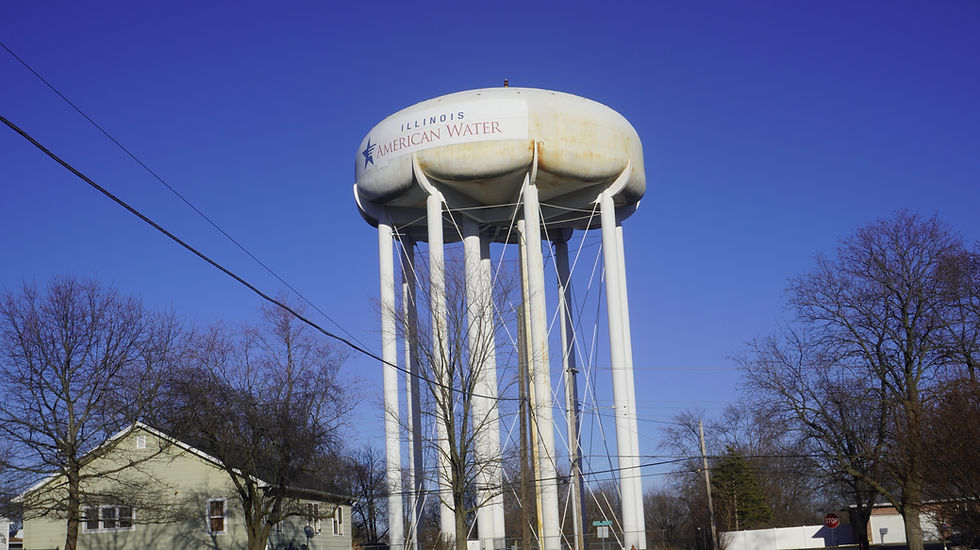
When we think of water, the first thing we think is how clean it is. Then are next question is what is in the water to make it look clean to the naked eye. The point is we are concerned about what is in the water. Clean Water is a big concern among Americans. That from 50% to 80% are either concerned with cleaner drinking water or water shortages. https://www.sciencedirect.com/science/article/pii/S0160412021005614


This is due in part because of globe warming, outdated water system upgrades, and marketed products that claim to clean water to healthier levels. It’s only natural to be concerned about clean water. With the COVID–19 scare where everything disappeared off the shelves including bottled water. Natural disasters have also taught us that drinking water is always a big concern and considered liquid gold. Blue Zones have also taught us that places with cleaner water people live longer and healthier lives. https://pmc.ncbi.nlm.nih.gov/articles/PMC6125071/
Doctors worldwide have debated the topic of cleaner water. That people shouldn’t have to worry about clean drinking water to survive. They say that the most common diseases that occur are due in part to not having clean water to consume. There are so many different parasites, insect larvae, and micro metals that pass through in drinking water. With all these red flags slapping us in the face about cleaner water, why are we not solving the problems?
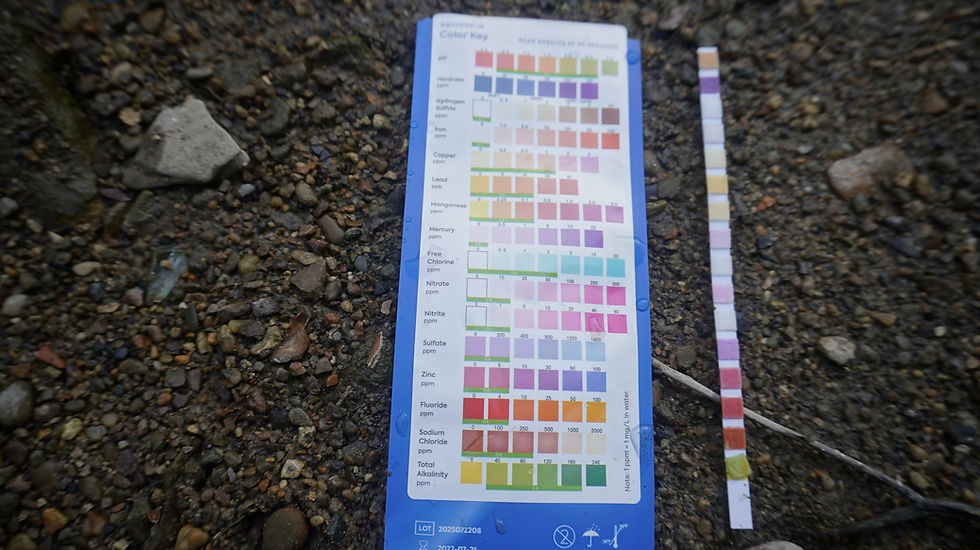
So how can we solve the problem with clean water in are area of the world? There are many things that we can do. We can put in safeguards to ensure that chances are higher to consuming clean water. We can boil water before usage, also use test strips to test the water, and use filters beyond system upgrades. But there are always going to be people out there that tell us that there is not one person that can save the entire world. They couldn’t have been more right. That it takes all of us in the world to help save it. That includes drinking water; it should be our first concern on the planet earth. The Earth is ¾ water so help save the world. Even space exploration where we are trying to find new planets that can sustain life. The first element they look for is water.
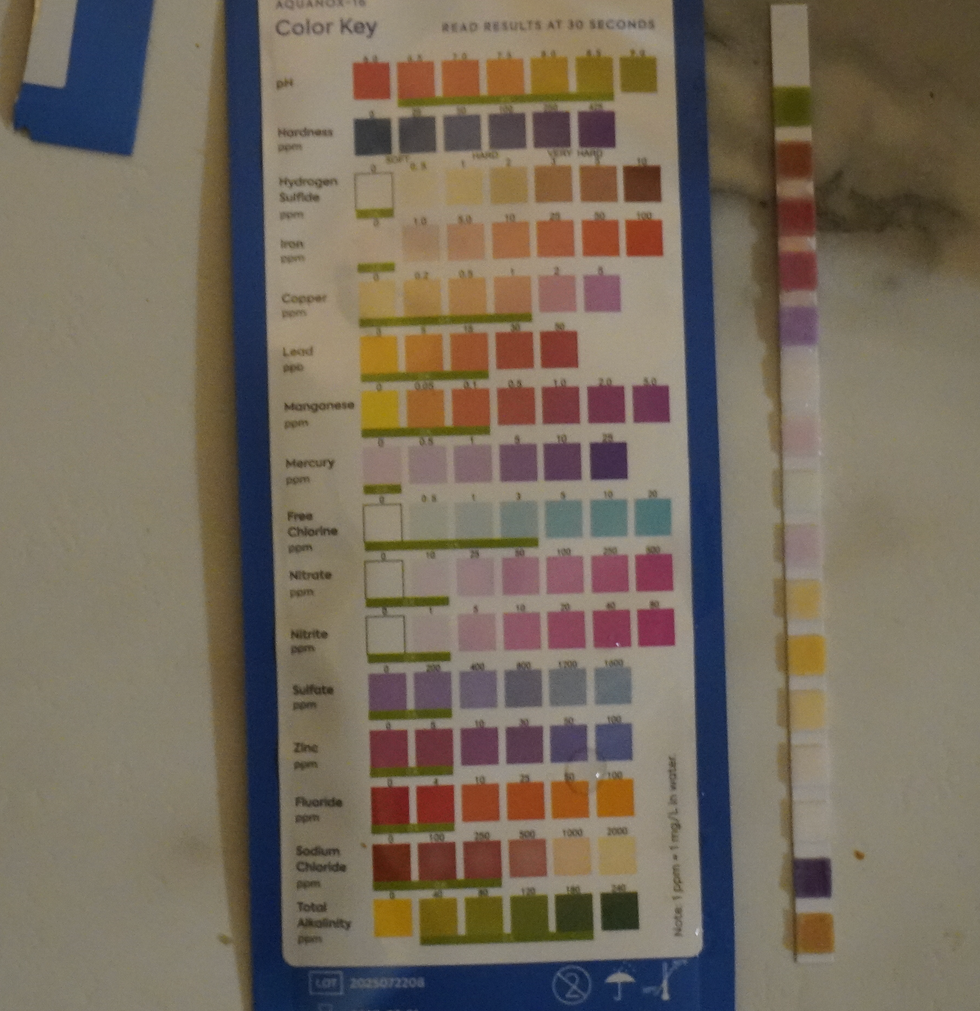

But what if we are in a small corner of the world where we can’t find resources to help us clean the water more efficiently? Small towns face serious problems when it comes to cleaning water. They either live off well water or outdated systems that are considered nonexistent. They face the most risk if you compare them to people that live off the grid. People that live off the grid follow a process when they clean their water. First, they collect their water from a source, Second, they filter their water, third they disinfect the water. So, what can small town people do to help them clean water to determine if the water is safe enough if they live off well water? There are options, One, they can use devices to tell them if the water is safe enough for them to consume. Second, they can have water wells put in on their properties to ensure they are drinking clean water. Third, they can have water filter systems installed in their homes so they can reach safe levels of usage.
Clean water has become a major issue topic in the past decade. But are we really seeing the results we want to see in society when it comes to cleaner water. We could fool are self's in believing that we are making a difference. We can say that scientists are always studying new inventive ways to ensure we are consuming the best H20. But others may say that hasn’t that always been happening. But in society since 1974 when the clean water act went into effect. If history has taught anything in society is that water is the life's blood to survival. https://www.epa.gov/laws-regulations/history-clean-water-act#:~:text=The%20EPA%20Watershed%20Academy's%20courses,The%201972%20amendments:
The EPA has always kept strict regulations on drinking water. Water companies have anticipated economic growth with upgrades to many areas of the world. Scientists have studied how water is filtered through the soil samples that lead to run offs to main water supplies. Even how we fight fires in the wild. But we still need to do more clean drinking water worldwide. With so many ways in place to clean water like coagulation & flocculation, sedimentation, filtration, disinfection, reverse osmosis, UV disinfection, boiling/distillation, and chemical treatment. Water purification is a process of removing contaminants from water to safe levels. The future tells us that are more challenging obstacles headed are way worldwide from micro plastics, rising contamination from PFAS and drought and floods. To combat these issues, we have AI & lot that gives us real time monitoring and automation to predict issues. Nanotechnology is also leading the charge to remove smaller impurities. Also, there have been more advanced oxidation methods designed to destroy contaminants all together. This no doubt will affect how we view regulation from an EPA standpoint. Where they will be required to find private companies to meet the demands of new technological advancements.
Comments